
Optimal Timing for Masonry Service
Masonry service is most effective during mild weather conditions. Optimal times include spring and early fall when temperatures are moderate, reducing the risk of mortar freezing or drying too quickly. Avoiding extreme heat or cold ensures better curing and longer-lasting results.
These seasons provide ideal conditions for masonry work due to stable temperatures and lower humidity levels, promoting proper mortar curing.
High heat can cause mortar to dry too fast, while freezing temperatures can prevent proper curing, both leading to compromised masonry.
Rain and snow can delay masonry projects and affect the quality of work. Planning around dry, mild days is recommended.
Early booking in spring or fall can ensure availability during optimal weather conditions for masonry services.
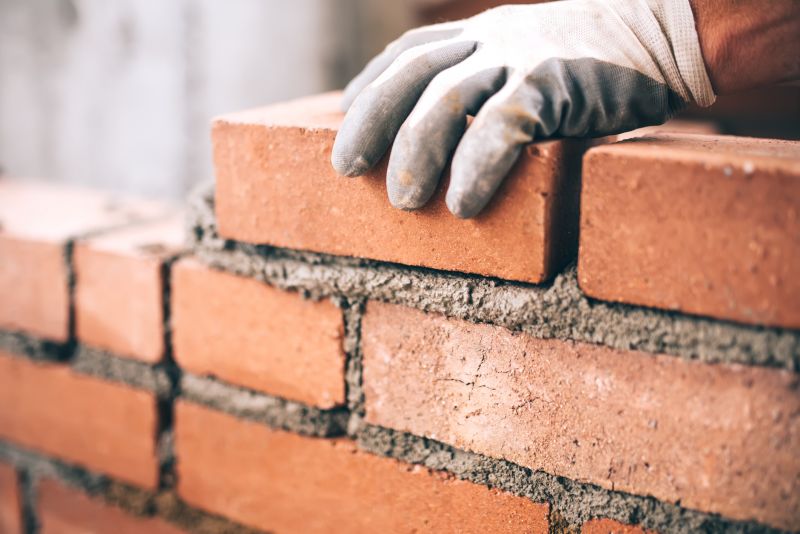
Spring offers favorable weather for durable masonry installations.
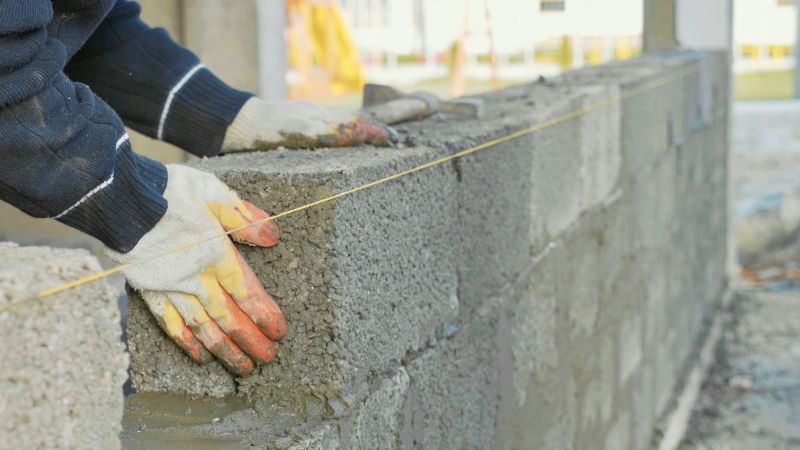
Cold temperatures can hinder mortar curing and affect long-term stability.
Mild weather ensures optimal conditions for quality and longevity.
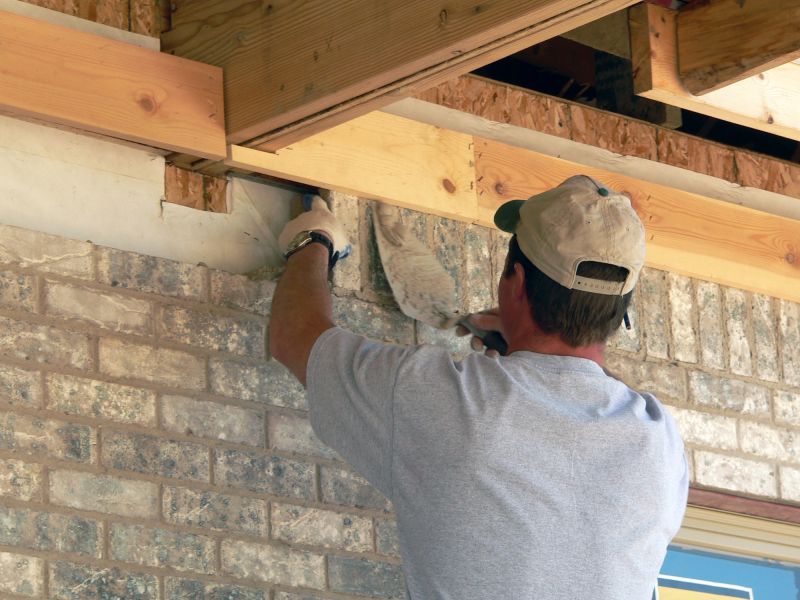
Ways to make Masonry Service work in tight or awkward layouts.
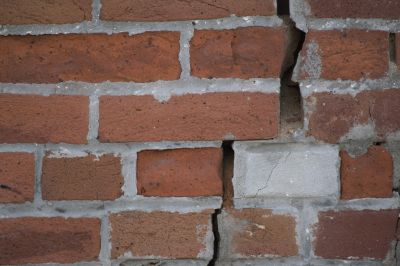
Popular materials for Masonry Service and why they hold up over time.
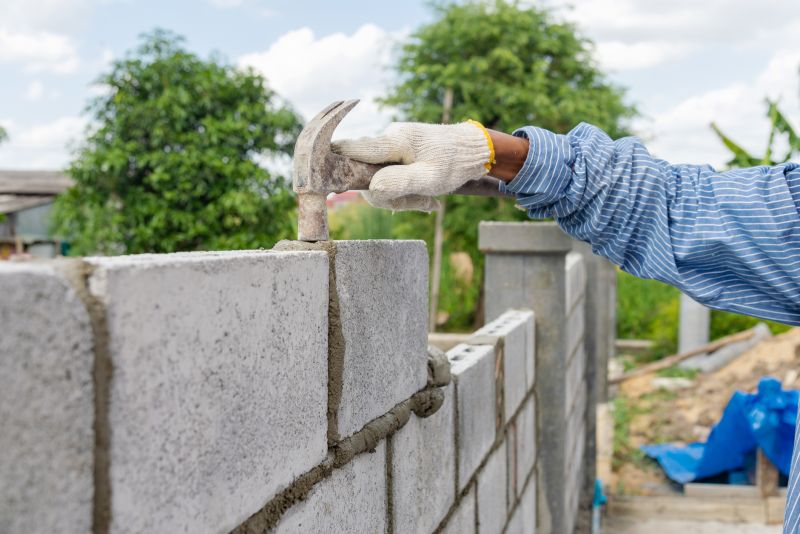
Simple add-ons that improve Masonry Service without blowing the budget.
Masonry service encompasses the construction, repair, and restoration of structures using materials such as brick, stone, and concrete. Proper timing ensures the longevity and aesthetic appeal of these structures. Seasonal considerations are crucial, as weather influences the curing process and final outcome.
| Season | Recommended Activities |
|---|---|
| Spring | Ideal for new construction and repairs due to moderate temperatures. |
| Summer | Suitable if scheduled during early mornings or late evenings to avoid heat. |
| Fall | Excellent for sealing and restoring masonry before winter. |
| Winter | Generally not recommended due to freezing temperatures affecting mortar. |
| Late Fall | Good for preparation work before winter conditions set in. |
| Early Spring | Best for starting projects as weather warms up. |
| Late Spring | Optimal for large-scale masonry projects. |
| Mid Summer | Less preferred due to high temperatures and potential for rapid mortar drying. |

Spring provides optimal weather for masonry projects.

Fall offers suitable conditions for repairs and restoration.
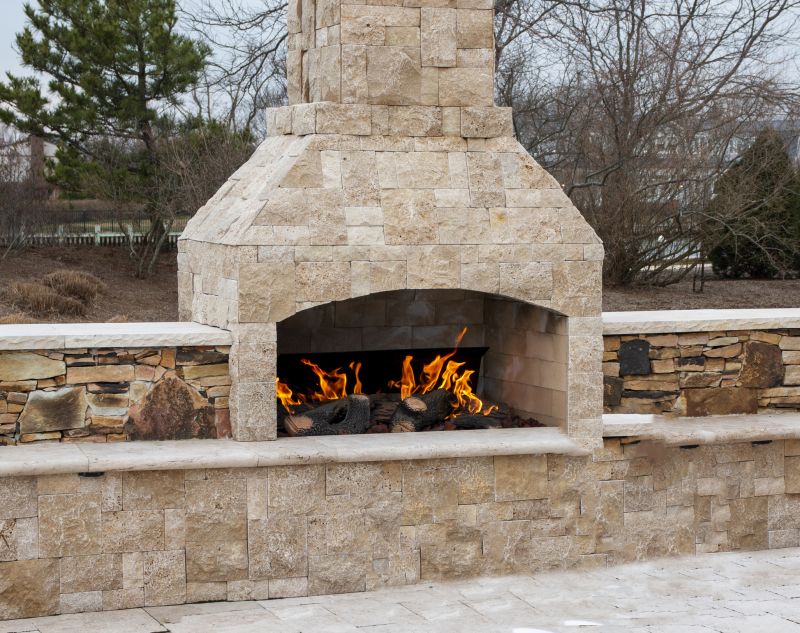
Summer requires scheduling during cooler parts of the day.
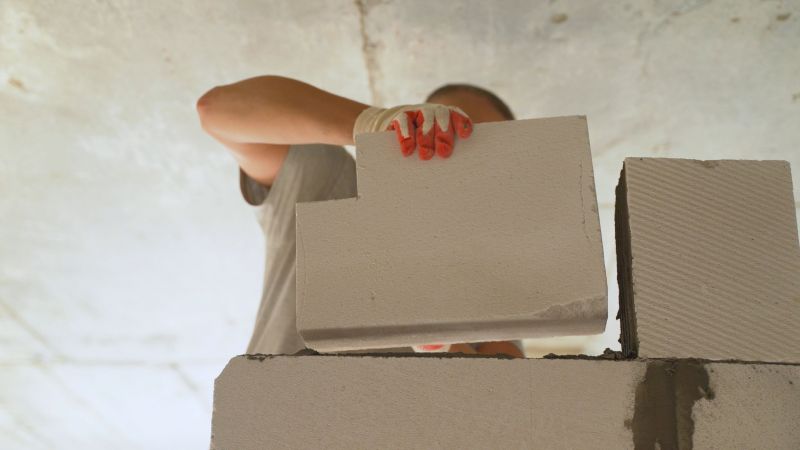
Winter is generally not recommended due to weather constraints.
Choosing the right time for masonry service can significantly impact the durability and appearance of the finished structure. Proper planning around seasonal weather patterns ensures optimal curing and long-lasting results. Consulting with masonry professionals can help determine the best scheduling based on local climate conditions.
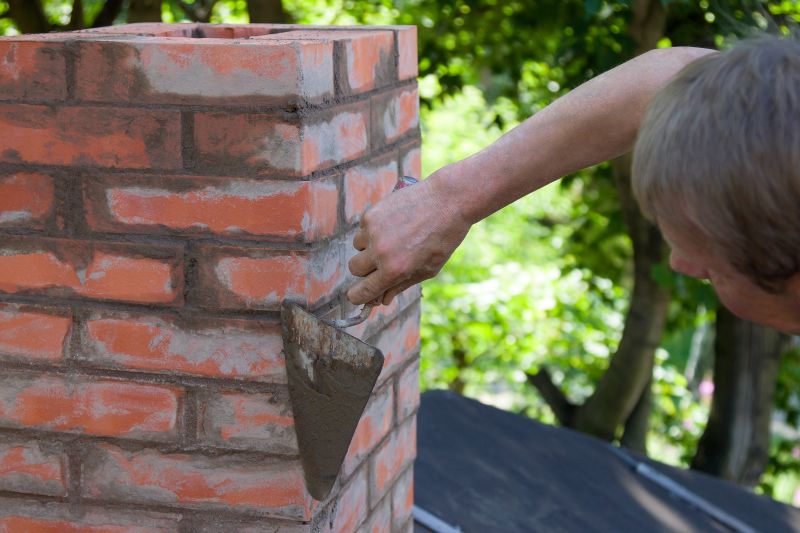
Proper timing ensures quality craftsmanship.
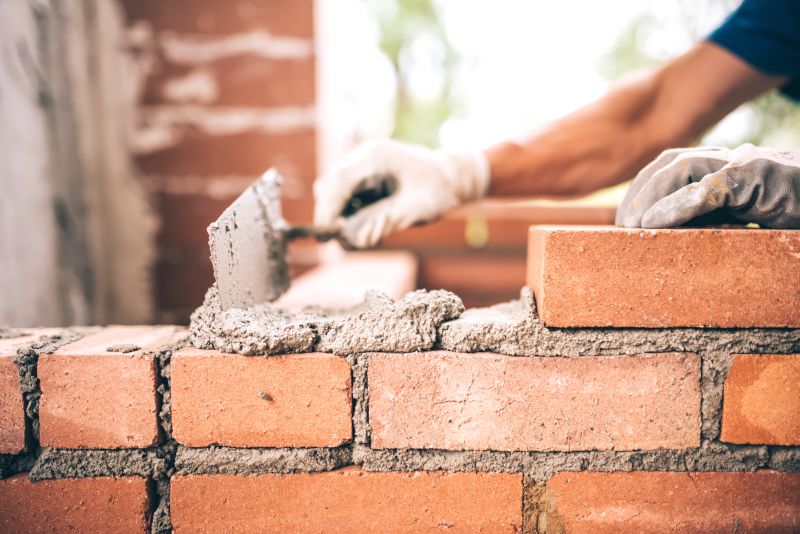
Weather plays a key role in project success.
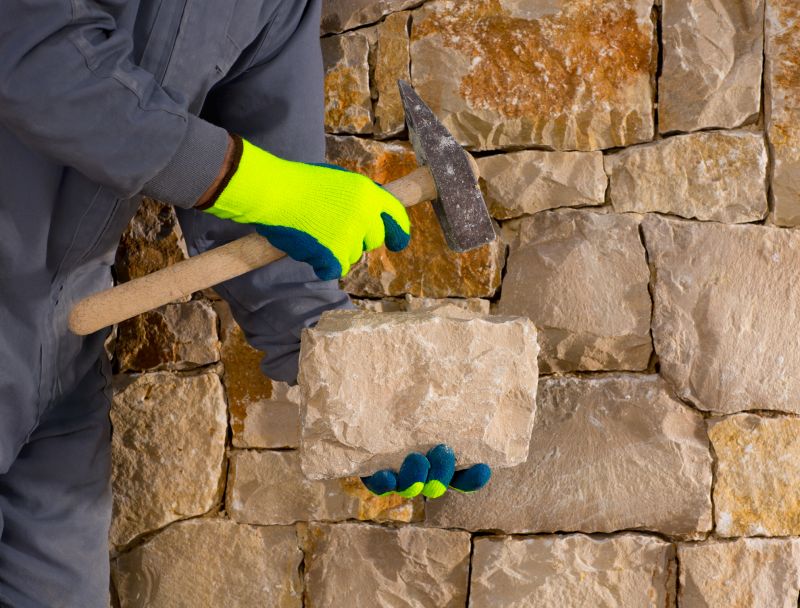
Planning around weather prevents delays.
Optimal timing enhances longevity.
For those interested in scheduling masonry service, filling out the contact form provides an opportunity to discuss timing options and project specifics. Proper scheduling ensures the highest quality results and long-term durability of masonry structures.